PRESSURE WASHING SAFETY GUIDE • SARASOTA & MANATEE COUNTIES
The Dangers of DIY Pressure Washing: 9 Costly Risks Homeowners Should Know
The dangers of DIY pressure washing can include serious personal injuries, permanently etched concrete, damaged siding, stripped paint, scarred wood, water intrusion, electrical hazards, chemical exposure, and contaminated runoff.
A pressure washer can look simple to operate, but the cleaning result depends on far more than squeezing the trigger. Pressure, water flow, nozzle selection, distance, cleaning chemistry, surface condition, and operator technique all affect what happens when the spray hits your property.
At Spotless Cleaning Services and More, we provide residential and commercial exterior cleaning throughout Sarasota and Manatee Counties using surface-specific pressure washing, soft washing, specialty stain treatment, and professional equipment.
Quick Answer
The dangers of DIY pressure washing come from combining powerful equipment with surfaces that may be much easier to damage than they appear. A homeowner can injure themselves, etch concrete, force water behind siding, strip paint, scar wood, damage roof materials, or send contaminated wash water where it should not go. Professional cleaning is less about using more pressure and more about knowing how much force the surface actually needs.
The Dangers of DIY Pressure Washing
1. Serious Pressure-Washer Injuries
3. Siding, Paint & Stucco Damage
7. Electrical & Equipment Hazards
8. Chemical & Landscaping Risks
9. Runoff & Environmental Concerns
RISK #1
High-Pressure Water Can Cause Serious Injuries
One of the most important dangers of DIY pressure washing is personal injury.
The water stream produced by a pressure washer can cause wounds that initially appear smaller than the actual injury.
The Centers for Disease Control and Prevention warns that pressure-washer spray can cause serious wounds and that injuries that appear minor can lead to infection, disability, or even amputation if treatment is delayed.
Injection Injuries
High-pressure water can penetrate skin and push water, debris, or cleaning solution into underlying tissue.
Flying Debris
Pressure can dislodge stones, paint chips, dirt, and other debris that can strike the operator or bystanders.
Loss of Control
A pressure-washer wand or hose can move unexpectedly, particularly when the operator changes position or loses footing.
The CDC specifically warns users never to point a pressure washer at themselves or another person and recommends medical attention as soon as possible for high-pressure spray injuries.
Read the CDC Pressure Washer Safety guide
.
SKIP THE DIY RISK
Let Us Handle the Pressure Washer
Get a free estimate for residential or commercial exterior cleaning throughout Sarasota and Manatee Counties.
RISK #2
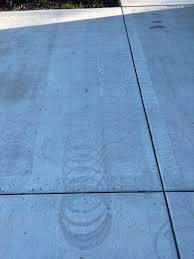
DIY Pressure Washing Can Permanently Etch Concrete
Concrete looks extremely durable, which makes it easy to assume that more pressure will simply clean it faster.
That assumption can lead to visible wand marks, lines, roughened areas, exposed aggregate, or uneven coloration.
New, deteriorated, decorative, repaired, or sealed concrete can be especially sensitive to an aggressive cleaning approach.
PSI Alone Does Not Determine Safety
Nozzle angle, spray pattern, working distance, water flow, dwell time, surface age, concrete condition, and operator technique all affect the force reaching the surface.
See our guide:
Can Pressure Washing Damage Concrete?
Or explore our
professional concrete cleaning services
.
RISK #3
Too Much Pressure Can Damage Siding, Stucco & Paint
A pressure washer does not know whether it is aimed at concrete or a painted exterior wall.
The operator has to make that distinction.
Vinyl Siding
Aggressive spray can damage loose panels, force water behind siding, or leave visible cleaning marks.
Stucco
Cracks, repairs, texture, paint condition, and substrate all affect how a stucco exterior should be cleaned.
Painted Surfaces
Aging, chalking, peeling, or poorly bonded paint can be stripped by an aggressive water stream.
For many house exteriors, an appropriate soft-washing process is preferable to simply increasing pressure.
Learn more about our
professional house washing
or compare
pressure washing vs. soft washing
.
RISK #4
Water Can Be Forced Behind Siding, Windows & Exterior Openings
Exterior building materials are generally designed to handle normal rain—not necessarily a concentrated stream of water aimed directly into seams, vents, window edges, soffits, or siding laps.
Using the wrong spray direction can force water behind exterior materials where it may take longer to dry.
This risk becomes more important when caulk, seals, siding, flashing, or other components are already deteriorated.
Never Assume “Exterior” Means Waterproof
Windows, doors, soffit vents, dryer vents, electrical boxes, light fixtures, siding joints, and roof penetrations all require attention before cleaning begins.
RISK #5
A Pressure Washer Can Scar Wood in Seconds
Deck boards, fences, railings, and other wood surfaces are particularly easy to damage because the water stream can raise fibers, carve lines, and create an uneven texture.
Once the surface has been visibly gouged or furred, correction may require sanding, refinishing, staining, or painting.
The appropriate process depends on the wood species, condition, age, coating, staining, and what the homeowner plans to do after cleaning.
If you’re preparing wood for refinishing, see:
Should I Pressure Wash My Deck Before Staining?
RISK #6
Pressure Washing the Wrong Roof Can Cause Expensive Damage
Roofs should not automatically be treated like driveways.
Roofing systems can contain shingles, tile, metal panels, coatings, flashing, vents, underlayment, sealants, and other components that require different cleaning approaches.
Asphalt roofing manufacturers specifically warn against high-pressure washing on shingles because it can damage the roofing surface.
Roof Cleaning Is a Soft-Washing Job When the Roofing Material Requires It
Professional roof cleaning uses a method appropriate to the roofing material and condition instead of attempting to remove every stain with brute-force water pressure.
Learn about our
roof cleaning services
or read
Does Pressure Washing a Roof Damage It?
Not Sure How Much Pressure Your Surface Can Handle?
That’s exactly when calling a professional makes sense. Send us a photo of the surface and tell us what you’re trying to remove.
RISK #7
Pressure Washing Creates Electrical & Equipment Hazards
Water and electricity are an obvious hazard combination, but outdoor cleaning areas often contain more electrical components than homeowners initially notice.
Exterior Outlets
Electrical receptacles and covers should be identified before spraying nearby surfaces.
Lighting & Fixtures
Wall lights, landscape lighting, pool equipment, and other electrical components may sit directly in the cleaning area.
Electric Pressure Washers
Power cords, extension cords, standing water, and improper grounding create additional hazards.
The CDC warns that electric shock can occur if pressure washers are used improperly and recommends using properly grounded equipment and ground-fault circuit protection.
RISK #8
Cleaning Chemicals Can Damage Plants or Surfaces When Misused
Professional exterior cleaning often involves chemistry because dirt, algae, rust, oil, oxidation, and other contaminants respond differently.
The danger comes from assuming that if a little cleaner works, a much stronger mix must work better.
Product labels, dilution, dwell time, surface compatibility, surrounding landscaping, weather, and rinsing all matter.
Plant Protection Is Part of the Cleaning Process
Depending on the project, protection can include pre-wetting vegetation, controlling where cleaning solution is applied, monitoring runoff, and thoroughly rinsing surrounding areas.
Read our detailed guide:
Will Pressure Washing With Bleach Kill Plants?
RISK #9
Dirty Wash Water Has to Go Somewhere
One of the most overlooked dangers of DIY pressure washing is runoff.
Water leaving a cleaning project can contain dirt, oil, grease, paint particles, detergents, chemicals, and other material removed from the surface.
What is appropriate depends on the location, contaminants, local drainage system, and applicable rules. Homeowners should not assume that any wash water can simply be directed into a storm drain.
Runoff Requirements Depend on What You’re Washing
Cleaning ordinary organic buildup from a residential walkway is different from washing oil, fuel, paint, chemicals, or industrial contaminants. Professional contractors should consider what is in the wash water and where that water will travel.
EPA stormwater guidance for cleaning operations emphasizes containing or controlling polluted wash water rather than allowing contaminated water to enter storm drains or surface waters.
Read EPA stormwater pollution-prevention guidance
.
Even When Nothing Breaks, DIY Results Can Still Look Bad
Not every DIY pressure-washing mistake causes obvious physical damage.
Sometimes the problem is simply the final appearance.
Wand Marks
Uneven working distance can create visible lines.
Missed Areas
Inconsistent overlapping passes can leave dark patches or stripes.
Wrong Chemistry
Pressure alone may not remove rust, oil, oxidation, or other specialty staining.
Rework
A failed first attempt can mean renting equipment again, purchasing additional products, or eventually hiring a professional anyway.
DIY VS. PROFESSIONAL
What Professionals Do Differently
The biggest advantage of professional pressure washing is not simply having a machine with a larger engine.
The advantage is having the equipment and experience to choose a cleaning process based on the actual surface.
Inspect the Surface
Look for cracks, damaged paint, loose siding, coatings, repairs, age, oxidation, and other conditions before cleaning.
Identify the Contaminant
Algae, dirt, oil, rust, efflorescence, paint, and oxidation may require very different cleaning methods.
Choose Pressure or Soft Washing
The safest and most effective method depends on what is being cleaned.
Control Pressure
Professional equipment allows cleaning pressure, flow, nozzle selection, and distance to be matched to the job.
Protect the Property
Windows, doors, electrical fixtures, plants, vehicles, pools, and nearby surfaces are considered before cleaning begins.
Know When to Stop
Sometimes the professional decision is not to increase pressure because the stain or surface requires another process.
Compare your options in:
Professional Pressure Washing vs. DIY
.
Why Choose Spotless Cleaning Services and More?
Fully Insured
Professional insurance coverage helps protect both the company and the customer.
Pressure Regulation
We use equipment that allows the cleaning process to be adjusted rather than treating maximum PSI as the default.
PSI Monitoring
Pressure monitoring helps us understand what the system is actually producing instead of simply relying on the machine’s advertised maximum rating.
Pressure & Soft Washing
We select the cleaning process based on the material, condition, and contamination.
Residential & Commercial
We clean homes, driveways, roofs, pavers, commercial properties, storefronts, HOAs, and other exterior surfaces.
Local Florida Experience
We routinely work with algae, humidity, irrigation staining, roof discoloration, oil, rust, and other Southwest Florida exterior-cleaning challenges.
Professional Pressure Washing in Sarasota & Manatee Counties
Spotless Cleaning Services and More provides residential and commercial exterior cleaning in Sarasota, Bradenton, Lakewood Ranch, Palmetto, Parrish, Ellenton, Venice, Siesta Key, and surrounding Southwest Florida communities.
Explore our
Sarasota County service area
and
Manatee County service area
.
FREQUENTLY ASKED QUESTIONS
The Dangers of DIY Pressure Washing: FAQ
What are the dangers of DIY pressure washing?
The dangers of DIY pressure washing include pressure-injection injuries, electrical hazards, etched concrete, damaged siding, stripped paint, scarred wood, roof damage, water intrusion, plant damage, and improper runoff.
Can a pressure washer seriously injure you?
Yes. The CDC warns that high-pressure spray can cause serious wounds that may initially appear minor and can lead to infection, disability, or other complications.
Can DIY pressure washing damage concrete?
Yes. Excessive cleaning force, working too close, inappropriate nozzles, or poor technique can etch concrete and leave permanent wand marks or uneven areas.
Can pressure washing damage siding?
Yes. Aggressive pressure can damage or mark siding and can force water behind panels or into vulnerable seams when the wrong angle or technique is used.
Is it safe to pressure wash a roof?
The cleaning method depends on the roofing material. Asphalt roofing manufacturers warn against high-pressure washing on shingles, so professional roof cleaning commonly uses a lower-pressure chemical cleaning process.
Can pressure washing damage plants?
Cleaning solutions and concentrated spray can affect landscaping when improperly used. Professional protection can include pre-wetting, controlled application, monitoring runoff, and thorough rinsing.
Is professional pressure washing worth it?
Professional cleaning can make sense when a project involves delicate surfaces, difficult access, specialty stains, multiple materials, high-pressure equipment, or a significant risk of costly damage.
Do you provide pressure washing in Sarasota and Bradenton?
Yes. Spotless Cleaning Services and More provides residential and commercial exterior cleaning throughout Sarasota, Bradenton, and surrounding Sarasota and Manatee County communities.
How do I get a free estimate?
Call or text Spotless Cleaning Services and More at
(813) 606-7589
or
request a free estimate online
.
SPOTLESS CLEANING SERVICES AND MORE
Don’t Turn a Cleaning Project Into a Repair Project
Get a free estimate for professional residential or commercial pressure washing, soft washing, house washing, roof cleaning, concrete cleaning, and specialty exterior cleaning.

No Comments