

Does Pressure Washing a Roof Damage It? (Why Soft Washing Is Always the Safer Choice)
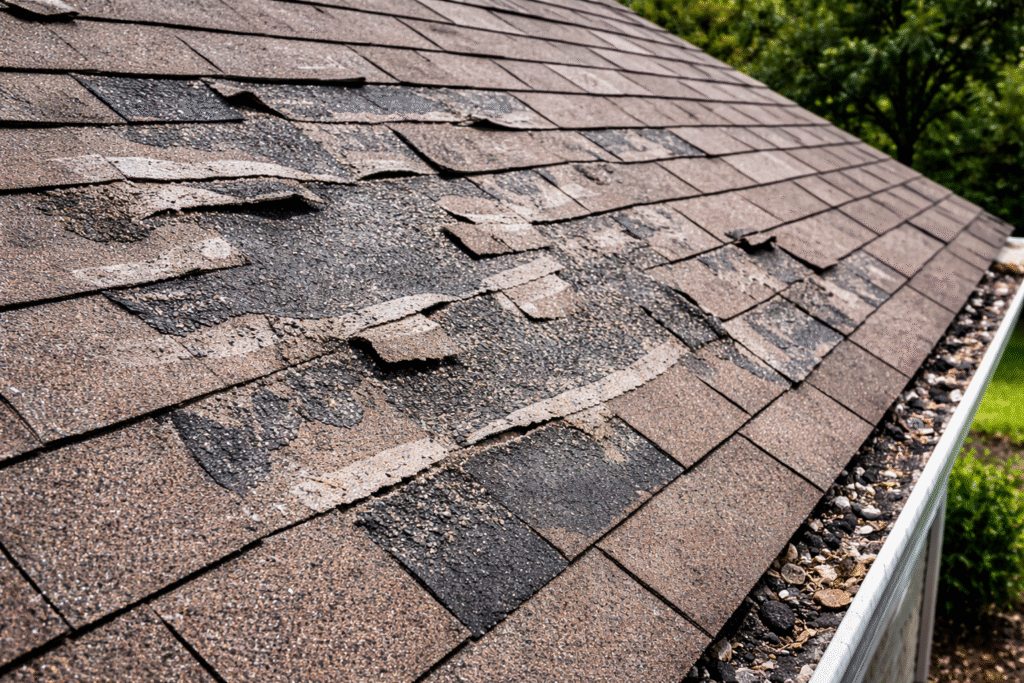
Does pressure washing a roof damage it? Yes—pressure washing can damage a roof, regardless of the roofing material. While pressure washing may seem like a fast way to remove stains, moss, algae, and black streaks, the high PSI can strip protective layers, loosen shingles, force water underneath roofing materials, and shorten your roof’s lifespan.
If you’re dealing with algae, moss, mildew, or heavy staining, the safest and most effective solution is soft washing. Soft washing relies on low pressure and specialized roof-safe chemicals to break down organic growth. In other words, the chemical does the work, not the water pressure.
In this guide, you’ll learn why roof pressure washing is risky, how soft washing works, and how to clean any roof type the right way.
Table of Contents
- Does Pressure Washing a Roof Damage It? Quick Answer
- Does Pressure Washing a Roof Damage It: Why It’s Dangerous
- Does Pressure Washing a Roof Damage It on Shingles, Tile, Metal, and More?
- Does Pressure Washing a Roof Damage It: Why Soft Washing Is Better
- Does Pressure Washing a Roof Damage It: Safe Soft Wash Method
- Does Pressure Washing a Roof Damage It: Mistakes to Avoid
- FAQs About Does Pressure Washing a Roof Damage It
Does Pressure Washing a Roof Damage It? Quick Answer
Yes. Pressure washing a roof can damage it by loosening shingles, stripping granules, cracking tiles, damaging flashing, and forcing water into areas where it should never go. Even if your roof “looks fine” afterward, the damage may not be visible right away—but it can reduce the roof’s lifespan and increase the risk of leaks.
That’s why professional roof cleaning companies typically recommend soft washing only, not pressure washing.
Does Pressure Washing a Roof Damage It: Why It’s Dangerous
Roofs are designed to shed water from rain—not withstand high-pressure water streams. When you spray a roof with high PSI, you can drive water upward and underneath roofing materials.
How pressure washing damages roofs
- Strips asphalt shingle granules (granules protect against UV and weather)
- Breaks or lifts shingles, especially older roofs
- Forces water under shingles, increasing leak risk
- Cracks tiles and breaks edges
- Damages flashing and seals around vents and chimneys
- Removes protective coatings from metal and tile roofs
Even worse, roof pressure washing often creates the illusion of a “clean roof,” but it can leave behind spores and roots from moss or algae. That means the problem comes back quickly—sometimes worse than before.
For general roof system information and best practices, you can explore resources from the National Roofing Contractors Association:
National Roofing Contractors Association (NRCA).
Does Pressure Washing a Roof Damage It on Shingles, Tile, Metal, and More?
One of the biggest myths is that only certain roofs are “safe” to pressure wash. In reality, pressure washing is risky on every roof type.
Does pressure washing a roof damage it if it’s asphalt shingles?
Yes. Asphalt shingles are the most vulnerable. Pressure washing can remove granules and shorten the roof’s lifespan significantly.
Does pressure washing a roof damage it if it’s tile (clay or concrete)?
Yes. Tiles can crack or break under high pressure. Water can also be forced beneath tiles, creating moisture problems and leaks.
Does pressure washing a roof damage it if it’s metal?
Yes. Metal roofs can be scratched, and protective coatings can be damaged. High pressure can also push water into seams and fasteners.
Does pressure washing a roof damage it if it’s slate?
Yes. Slate is brittle and expensive. Pressure washing can break slate tiles and cause costly repairs.
Bottom line
No matter the roof material, pressure washing is not recommended. Soft washing is the safest approach for every roof type.
Does Pressure Washing a Roof Damage It: Why Soft Washing Is Better
Soft washing is a roof cleaning method that uses low pressure (similar to a garden hose) combined with roof-safe cleaning solutions that kill algae, moss, mold, and mildew at the root.
Why soft washing is the best roof cleaning method
- Low pressure prevents damage
- Chemicals kill organic growth instead of blasting it
- Longer-lasting results because spores are eliminated
- Reduces risk of leaks by avoiding water intrusion
- Protects roof lifespan and appearance
The key concept: Let the chemical do the work
The goal is not to “blast stains off.” Roof stains are usually caused by algae (like Gloeocapsa magma), moss, or mildew. Soft washing treats the cause, not just the appearance.
For more information on algae and mold concerns, you can reference the EPA:
EPA Mold Resources.
Does Pressure Washing a Roof Damage It: Safe Soft Wash Method
If you want to clean your roof safely, here is the recommended soft washing process. This method avoids high PSI and focuses on chemical treatment.
Step 1: Protect landscaping
Cover delicate plants and rinse them with water before and after applying cleaning solution. This helps prevent chemical stress.
Step 2: Apply roof-safe cleaning solution
Use a soft wash system (low pressure) to apply the solution evenly. The cleaner should target algae and moss, not just surface dirt.
Step 3: Allow dwell time
Let the chemical sit and work. Dwell time is critical. This is where the cleaning happens.
Step 4: Rinse gently (if required)
Some treatments are “rinse-free,” while others require a gentle rinse. Either way, avoid high PSI. The goal is to remove residue without disturbing shingles or tiles.
Step 5: Monitor results over time
Soft washing often improves over several days as dead algae and stains weather away naturally. This is normal and helps avoid aggressive washing.
Does Pressure Washing a Roof Damage It: Mistakes to Avoid
To protect your roof, avoid these common mistakes.
Roof cleaning mistakes that cause damage
- Using a pressure washer on any roof material
- Using high PSI to remove moss
- Spraying upward under shingles
- Walking on fragile roofing tiles without proper safety
- Using harsh chemicals incorrectly (risk to plants and materials)
- Not following manufacturer guidelines
For safety reasons, roof cleaning can be dangerous due to height and slippery surfaces. If you’re unsure, hiring a professional soft wash roof cleaner is often the safest choice.
For general ladder and fall safety information, you can review OSHA resources:
OSHA Fall Protection.
FAQs About Does Pressure Washing a Roof Damage It
Does pressure washing a roof damage it even if I use low PSI?
It can. Even “low PSI” from a pressure washer may still be too strong for shingles or tiles, and the water stream can force moisture into seams. Soft washing is safer.
Does pressure washing a roof damage it more than soft washing?
Yes. Soft washing uses low pressure and focuses on chemical treatment. Pressure washing relies on force and has a much higher risk of damage.
Does pressure washing a roof damage it by removing shingle granules?
Yes. Granule loss is one of the most common types of roof damage caused by pressure washing. Granules protect shingles from UV rays and weathering.
Does pressure washing a roof damage it permanently?
Yes. Damage like granule loss, broken tiles, and compromised seals can’t be undone. That’s why pressure washing is not recommended.
Final Thoughts: Does Pressure Washing a Roof Damage It?
Does pressure washing a roof damage it? Yes—pressure washing is risky for every roof type and can shorten the lifespan of your roof, increase leak risk, and cause expensive repairs.
The safest and most effective roof cleaning method is soft washing. It uses low pressure and roof-safe chemicals to kill algae, moss, and mildew at the source. Most importantly: let the chemical do the work, not the water pressure.
If you want the cleanest results with the lowest risk, skip pressure washing and choose soft washing every time.
No Comments